March 5th is National SLAM the Scam Day. If this is your first time hearing about this National day particularly, you may be asking yourself; “What is SLAM the Scam Day, and what makes it significant?”
Read More.png)
March 5th is National SLAM the Scam Day. If this is your first time hearing about this National day particularly, you may be asking yourself; “What is SLAM the Scam Day, and what makes it significant?”
Read MoreTags: phishing, Managed Services, cybersecurity, data security, cybersecurity training, IT services Boston, Fraud, SLAM The Scam Day, Government Impersonation Scams

Amazon provides users with an extensive ecommerce platform, with purchases ranging from clothing, games, kitchen, niche topics, home décor, technology, and more right at your fingertips. Exceptional delivery time on everyday items, insightful reviews, and a great return policy. Though Amazon has millions of official and 3rd party sellers using its ecommerce platform in showcasing their products & services, there are risks to be aware of especially when buying laptops.
In recent months, we have heard reports of users buying computers from Amazon with complicated issues regarding unclear support policy plans and overall, not what they were expecting. In today’s blog post, we are going to discuss key risks that come with purchasing from 3rd party sellers on Amazon, with misleading specs and even receiving used items.
At Ekaru, our goal isn’t to instill fear but provide users with the most up-to-date cybersecurity findings to help you make informed decisions. Especially when it comes to your devices and overall cybersecurity hygiene. Located in Westford MA, we work alongside multiple small and medium-sized businesses in the Boston metropolitan area ranging from doctor offices, construction, attorney offices, accounting, and so much more.
Tags: laptop, small business, RAM, small business technology advice., specifications, cybersecurity

You did it. You upgraded to that big, beautiful, high-resolution monitor. Maybe it’s 27 inches. Maybe it’s 4K. Maybe it looked absolutely stunning in the store.
Read MoreTags: productivity, Computer Settings, High resolution display, Display settings

By the end of January, you likely have received your tax return documents with a deadline completion set for April 15, 2026.
With the current time frame of 8-10 weeks to completion, some will leave their taxes to the last minute or engage an accountant for their services. What if we told you that the longer you wait to do your taxes, the more at risk your information falls into the hands of a hacker? In turn causing the big headache that goes along with identity theft and tax fraud.
Hackers have found intricate loopholes to steal your personal and tax information for malicious and financial gain. At Ekaru, our goal isn’t to instill fear when it comes to cybersecurity threats. It’s essential to understand that anyone can become an unsuspecting victim of a scam. Our intent is to provide you and your business with the essential tools to defend your personal data with peace of mind. In today’s blog, we will discuss why it’s better to get your taxes done proactively.
Tags: Cybersecurity, email scams, cybersecurity, TaxScam, Fraud

Is love in the air…or is it a romance scam? Whatever situation you find yourself in, if 2026 is the year for you to find love this Valentines Day, it’s generally good practice to know the person you are talking to. What I mean by that is ensuring the person of interest you met through a website or dating app is a legitimate person that’s actions and words add up. Romance scams are currently one of the highest scam methods in America. When using social media or the internet in general, it’s essential to have security and knowledge equipped to protect yourself, your time, your heart, and your personal information. At Ekaru, we provide users with educational cybersecurity awareness training, not to frighten you but to inform you to make thoughtful decisions. To react proactively when situations arise, the best form of defense is not always security tools, its knowledge.
Read MoreTags: Internet, cybersecurity, Security Awareness, Cybersecurity, Smishing, Cybersecurity, Social Media, Cybersecurity Awareness Training, Romance Scam

In January, multiple updates for Windows 11 affected millions of users. These mostly consisted of security patches, bug fixes, AI implementation and a new feature in the mix to improve the user experience for Microsoft users. As we enter a new month, Microsoft has another wave of updates for users that can help improve their security posture, enhance some features and discontinued others.
Read MoreTags: Microsoft Windows Update, Wi-Fi, cybersecurity, AI, Windows11
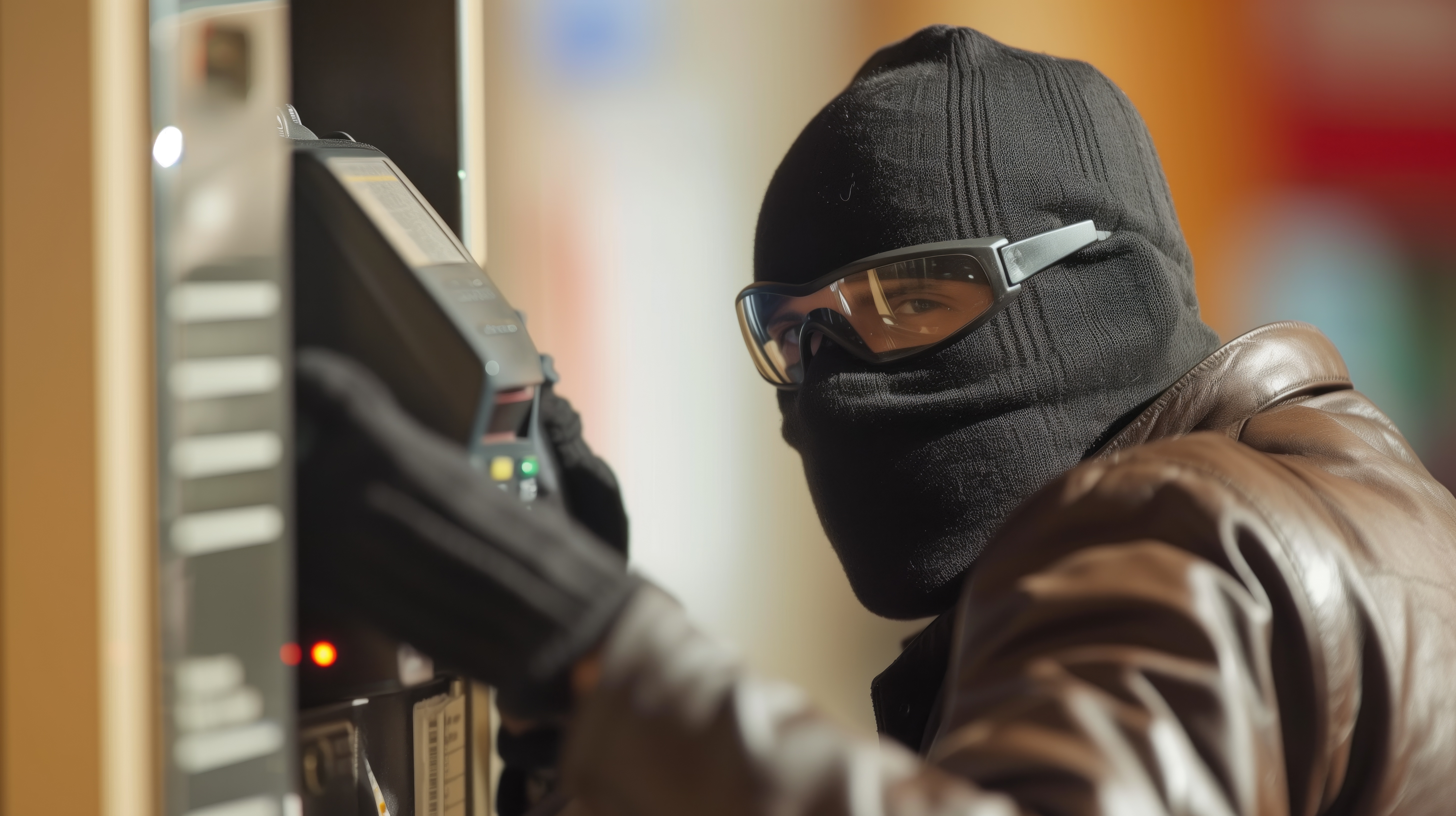
Just because it is January, does not mean hackers are ceasing their cyber attacks on businesses and unsuspecting victims. This month, we have noticed scams such as stealing debit card information at local stores hitting close to home, sophisticated phishing attempts across social media accounts, particularly Instagram, and Windows 11 updates we’ve observed for users. At Ekaru, our goals are to provide users with the most up-to-date news for cybersecurity locally and across the US, while also providing tips to keeping you and businesses safe.
Read MoreTags: password, cybersecurity, Cybersecurity, Social Media, Windows11, ATMScam

Have you been in the middle of a significant deadline with complete focus, then all a sudden your desktop shuts down abruptly causing your focus and productivity to cease? It happens to the best of us.
Read MoreTags: Slow Computer, computer security, cybersecurity, Computer Tip, Computer Shutdown, Computer Restart

Security updates aren’t the most exciting topic—but they are one of the most important parts of keeping your business protected.
Right now, we’re seeing something that surprises a lot of people: about 13% of the systems in our community need a reboot. That means critical security updates are downloaded… but not fully protecting those computers yet.
Each month, Microsoft releases security fixes (often called “Patch Tuesday”). Behind the scenes, we carefully test critical patches within 24 hours, then roll out additional updates over the following week. This testing and deployment process is a core part of a healthy security program.
Here’s the catch: many of those security patches don’t actually take effect until you reboot. And we're seeing too many computers in our community that haven't been rebooted in too long.
Even more important, some patches are sequential. If the first update doesn’t fully install because the
Read MoreTags: Microsoft Security Patches, Patch Policy, cybersecurity